


Virgin Galactic Prepares Its Comeback: $750,000 Space Tourism Flights Expected in 2026
After a quiet 2025 marked by a voluntary pause in commercial operations, Virgin Galactic is now laying out its roadmap to return to the forefront of the space tourism industry.
Between controlled financial losses, next-generation spacecraft, and higher ticket prices, the company is making a bold bet on the future of suborbital space travel.
2025: A Deliberate Slowdown
Virgin Galactic’s latest financial results confirm a sharp drop in activity:
- Revenue: $2 million in 2025 (down from $7 million in 2024)
- Q4 revenue: approximately $300,000
- Net loss: $279 million, though improved year-over-year
This decline was expected.
The company intentionally paused commercial flights to focus on developing its next-generation spacecraft.
Losses Continue, but Under Control
Despite the lack of active operations, Virgin Galactic is showing signs of improvement:
- Reduced overall losses
- Better cost management
- Streamlined operations
With roughly $300+ million in cash reserves, the company still has runway — but not indefinitely.
Delta SpaceShips: The Core of the Strategy
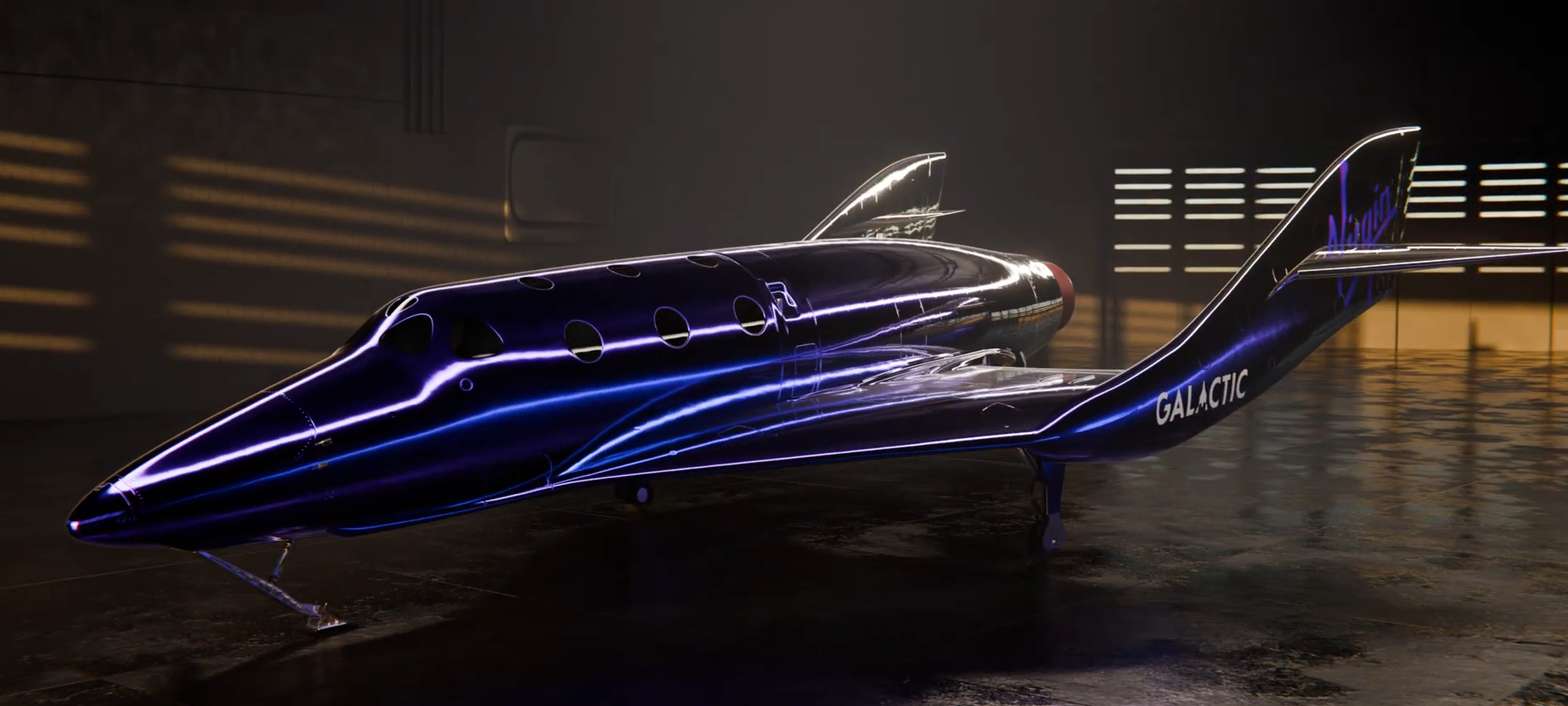
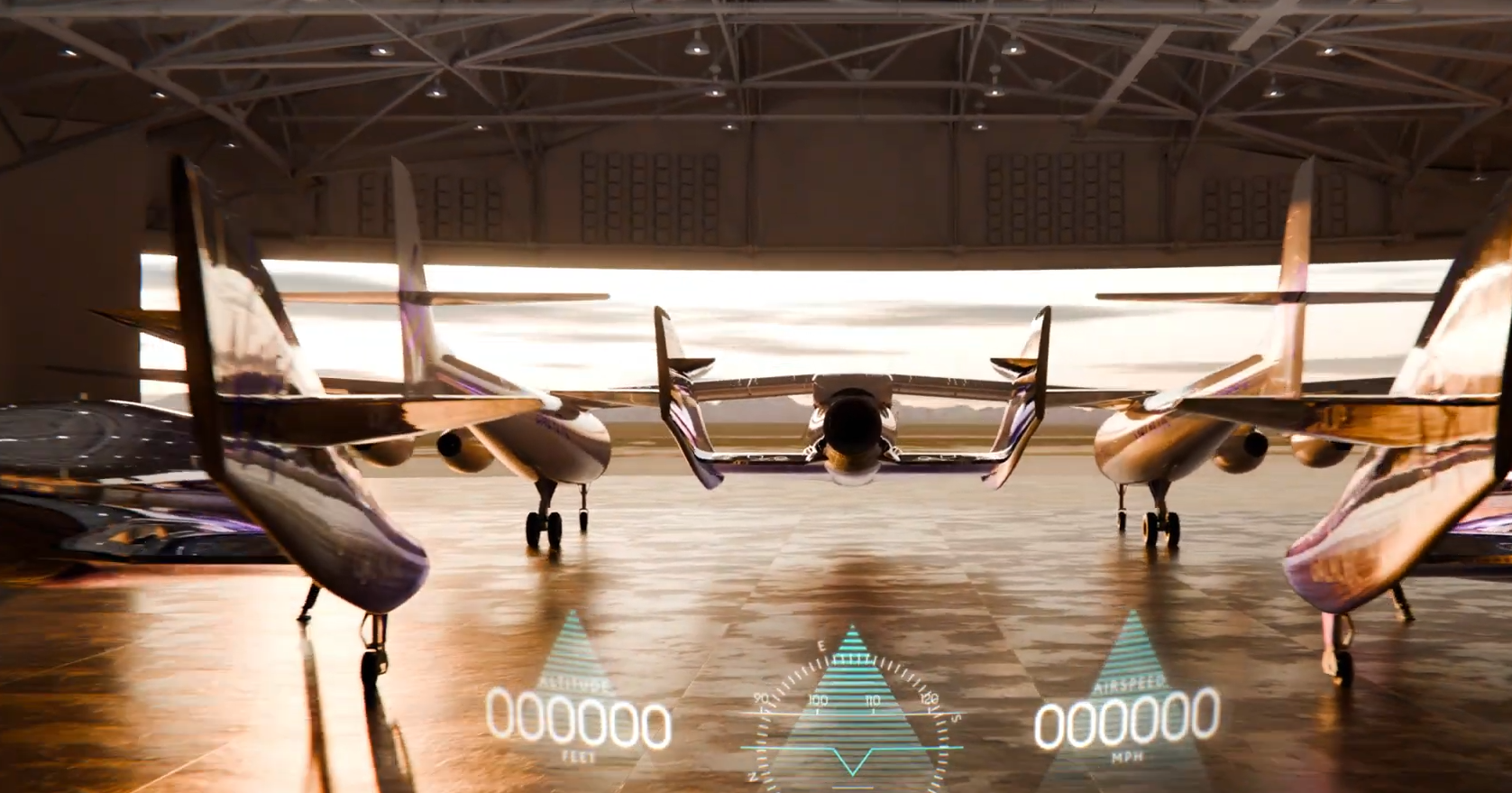
The future of Virgin Galactic now depends on its new generation of suborbital vehicles: the Delta SpaceShips.
Key objectives:
- Carry 6 passengers (up from 4)
- Increase flight frequency significantly
- Improve operational efficiency
Timeline:
- Ground testing begins: April 2026
- First commercial flights: late 2026
- Second vehicle: early 2027
👉 The goal is clear: Move from occasional flights to a scalable, repeatable business model.
Higher Prices for an Ultra-Premium Experience
As part of its relaunch, Virgin Galactic is reopening ticket sales.
But at a higher price point:
- 💰 $750,000 per seat
The company is clearly targeting a high-end, limited market, positioning its flights as a luxury experience.
A Market Temporarily Left Open
Virgin Galactic may also benefit from a unique market situation.
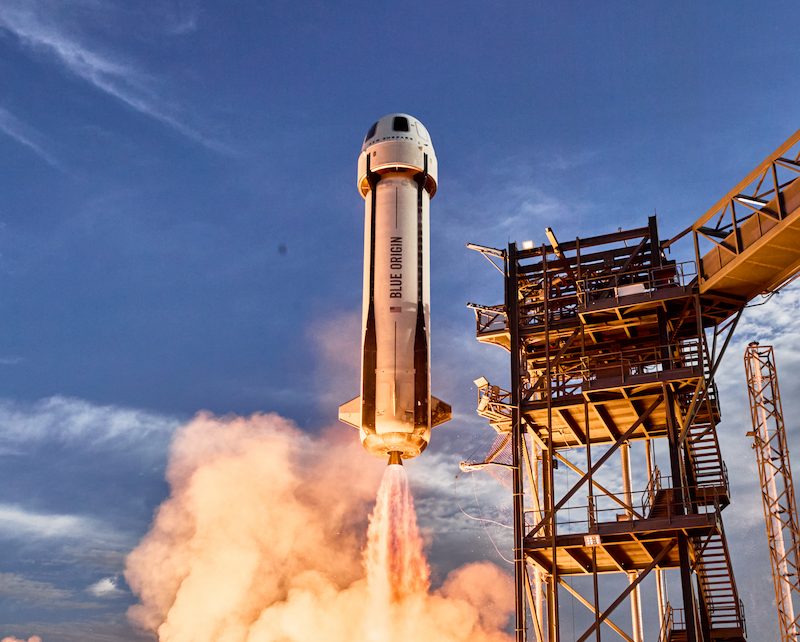
Its main competitor in the suborbital tourism segment, Blue Origin, has paused New Shepard flights for at least two years to focus on lunar and orbital ambitions.
👉 As a result, Virgin Galactic is currently the only major active player in commercial suborbital tourism. However, this advantage may be temporary.
A High-Risk Strategy
Behind these announcements lies a critical moment for the company.
Key challenges:
- Restarting operations after a long pause
- Proving the reliability of the Delta vehicles
- Achieving a high enough flight cadence
- Preparing for the eventual return of competition
Analysis: A Bold — but Fragile Bet
Virgin Galactic’s strategy is straightforward: Sacrifice short-term revenue to build a sustainable long-term model
On paper, it makes sense:
- More passengers
- More flights
- Better margins
But several concerns remain.
❗ An Unproven Market
Even with improved vehicles, demand at $750,000 per seat remains uncertain.
Space tourism is still a niche market, limited to a very small customer base.
❗ No Competition… A Warning Sign?
The absence of Blue Origin might look like an opportunity.
But it could also be interpreted as a warning.
👉 If a major player steps back, it may indicate that the market is not yet economically viable.
Officially, Blue Origin’s pause is temporary.
But some analysts suggest it could evolve into a long-term withdrawal.
❗ Total Dependence on Execution
Everything now depends on:
- Successful testing in 2026
- On-time entry into service
- Rapid ramp-up of operations
Any delay could significantly impact the company’s financial recovery.
Virgin Galactic is entering a decisive phase.
👉 2025 was a transition year
👉 2026 could define its futureWith new spacecraft and higher ticket prices, the company is betting on a future where space tourism becomes more frequent and scalable.
Source
The press release published by Virgin Galactic on March 30, 2026 is here