
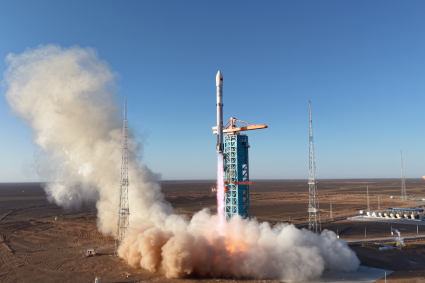





IM-2 Mission: Heading to the Moon’s South Pole
Commercial lunar exploration is accelerating significantly with the launch of Intuitive Machines’ IM-2 mission on February 26, marking a key milestone in the collaboration between the private sector and space agencies. This growing momentum was also evident with the dual lunar launch on January 15, 2025, involving Ispace and Firefly Aerospace. For this mission, NASA aims to explore the Moon’s South Pole, focusing on testing various technologies and searching for water.
Launch of the IM-2 Mission
Intuitive Machines’ IM-2 mission was successfully launched on February 26, 2025, from the Kennedy Space Center in Florida. The Nova-C Athena lunar lander was carried into space aboard a SpaceX Falcon 9 rocket.
Scientific and Technological Objectives
Lunar Resource Exploration
One of the primary goals of the IM-2 mission is to study the presence of subsurface water ice, particularly in the shadowed regions of the Moon’s South Pole. These resources are crucial for future human missions, as they could be used to produce drinking water, oxygen, and rocket fuel. The PRIME-1 (Polar Resources Ice Mining Experiment-1) instrument will be deployed to drill into the lunar surface and analyze the composition of extracted samples.
Introducing PRIME-1
Advanced Technological Demonstration
The IM-2 mission plays a key role in implementing technological innovations aimed at enhancing future lunar exploration. Among these advancements:
First 4G/LTE Cellular Network on the Moon
In partnership with Nokia, this mission aims to test a mobile communication system on the lunar surface. A robust and reliable network is essential for future missions, enabling communications between rovers, landers, and astronauts.
Micro Nova Hopper: An Aerial Explorer for Inaccessible Regions
The Micro Nova Hopper is a lunar exploration vehicle designed to perform propelled jumps, allowing it to access areas that would otherwise remain unexplored. Unlike rovers, which rely on wheels and are limited by rugged terrain, this autonomous drone can propel itself into the air to overcome obstacles and reach strategic locations.
Functionality and Capabilities
- Propulsion System: The Micro Nova Hopper uses small rocket thrusters to perform jumps of several dozen meters across the lunar surface. This method helps avoid risks associated with steep terrain or loose regolith.
- Sensors and Instruments: Equipped with high-resolution cameras, spectrometric sensors, and thermal probes, it can analyze soil composition and detect signs of water ice.
- Navigation: The hopper uses onboard artificial intelligence to analyze its surroundings and plan trajectories, with ground-based assistance when needed.
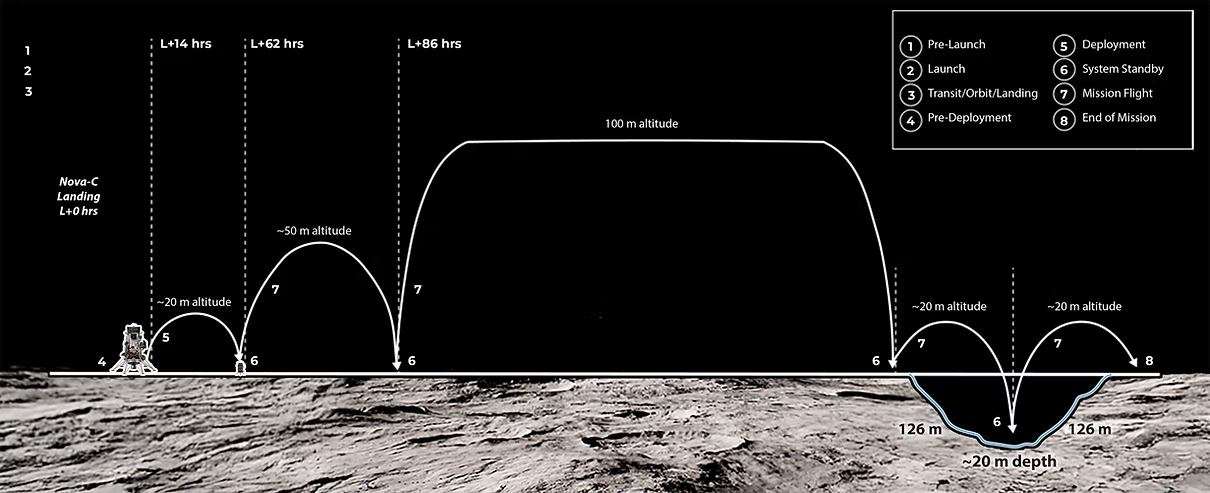
During the IM-2 mission, the Micro Nova Hopper will play a crucial role in exploring permanently shadowed craters, where sunlight never reaches. These areas are believed to be natural reservoirs of water ice, a key resource for future human missions. Thanks to its propelled jumps, the hopper will be able to fly over crater edges and collect data in locations where traditional rovers cannot venture.
Lunar Mobility Tests: Two Rovers to Be Tested
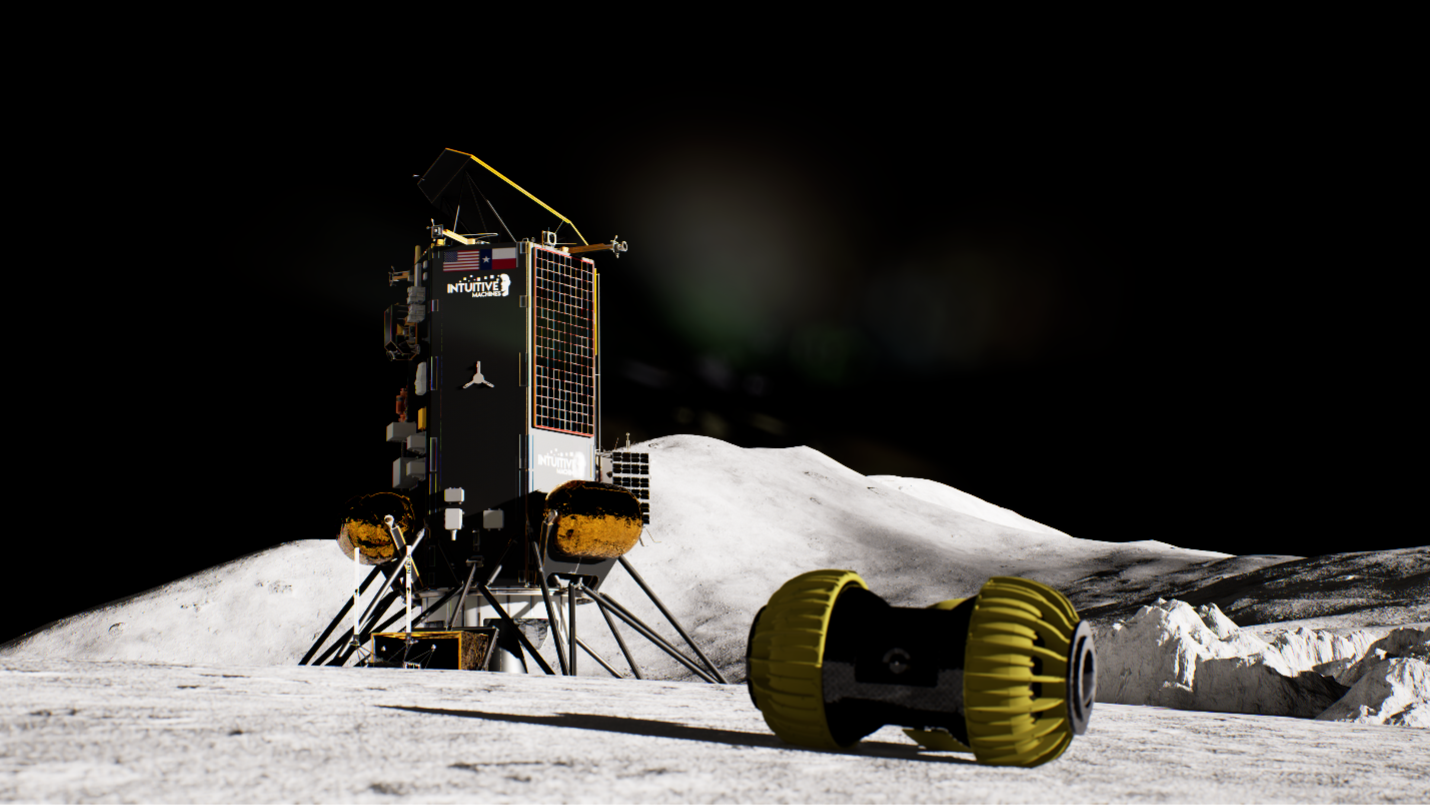
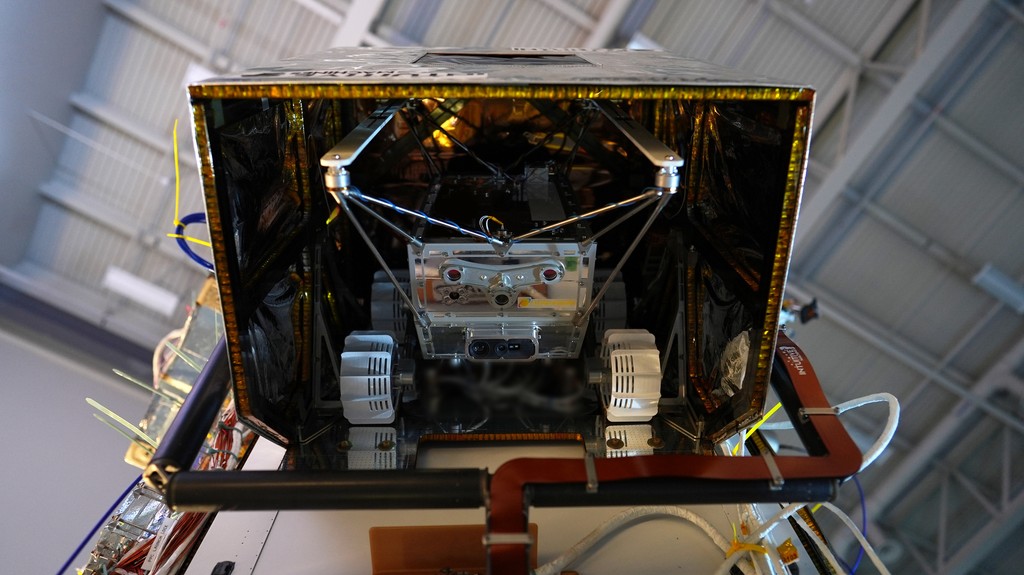
The mission carries two rovers, MAPP (from Lunar Outpost) and YAOKI (from Dymon Co. Ltd.), which will be used to test different mobility and exploration approaches on the rugged terrain of the Moon’s South Pole.
Mission Timeline
Trajectory to the Moon
After a successful launch, the Nova-C Athena lander began its journey to the Moon. Following an optimized trajectory, it will perform several course correction maneuvers before its lunar orbit insertion, scheduled for March 3, 2025. This phase is crucial to precisely adjust its trajectory and ensure a controlled landing.
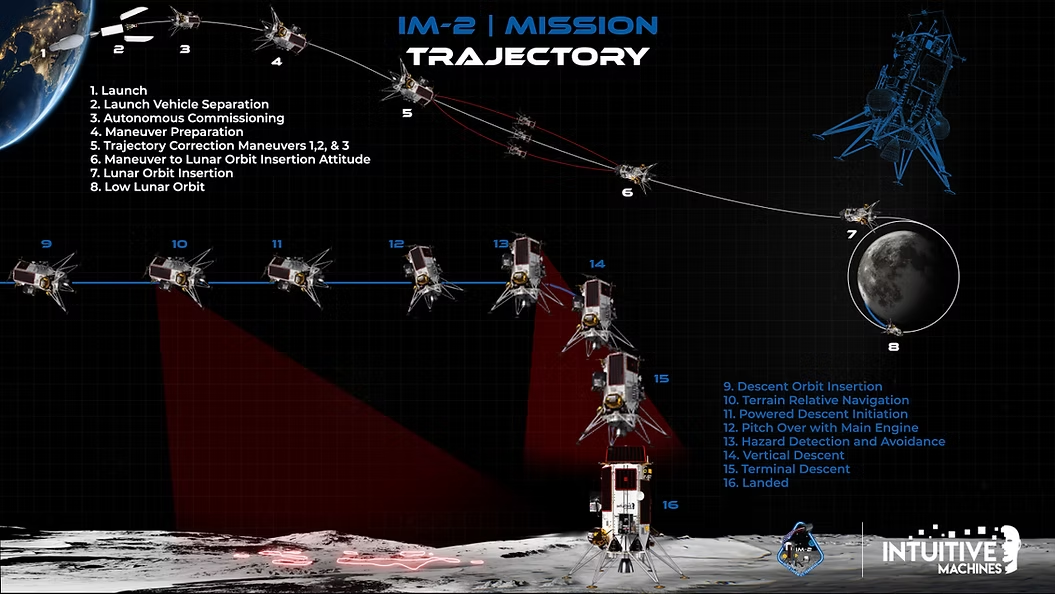
Planned Landing
If everything proceeds as expected, Athena will land on March 6, 2025, on the Mons Mouton plateau, a scientifically significant area near the lunar South Pole. This site was chosen due to its potential water ice deposits, a critical resource for future human missions.The autonomous landing of Athena will be a key milestone, demonstrating Intuitive Machines’ ability to perform precise and reliable lunar landings as part of NASA’s Commercial Lunar Payload Services (CLPS) program.
Operations on the Lunar Surface
Once landed, the mission will enter its primary phase, lasting approximately 10 days, during which scientific experiments and technological tests will take place:
- Lunar soil drilling and analysis: The PRIME-1 instrument will drill into the surface to search for water ice and analyze subsurface composition.
- Deployment of the Micro Nova Hopper.
- Mobility tests with rovers: The MAPP and YAOKI rovers will be deployed to analyze the lunar surface, test different mobility strategies, and collect environmental data. Establishment of the first lunar cellular network: In partnership with Nokia, the mission will install a 4G/LTE network to test communication technologies on the Moon.
The IM-2 mission marks another major advancement in lunar exploration. Through the landing of the Nova-C Athena lander, resource analysis, and technological innovation, this mission paves the way for sustainable human presence on the Moon.
The long-term implications are significant:
- Supporting the Artemis program: Data collected on lunar ice and regolith will be essential for future human missions. Utilizing local resources could reduce reliance on Earth-based resupply and facilitate the establishment of permanent lunar bases.
- Developing lunar infrastructure: Nokia’s 4G/LTE network experiment is a first step toward a reliable lunar communication system, crucial for coordinating future missions.
- Expanding commercial missions: IM-2 demonstrates the capability of private companies to play a key role in space exploration, providing transportation and prospecting services for NASA and beyond.
Follow the Mission Live
The Photo Album of This Mission on Flickr


Source
The IM-2 Mission Page is Available on Intuitive Machines’ Website Here. This article is a translated version from Agences-Spatiales.fr