



Blue Ghost Observed the Eclipse from the Moon
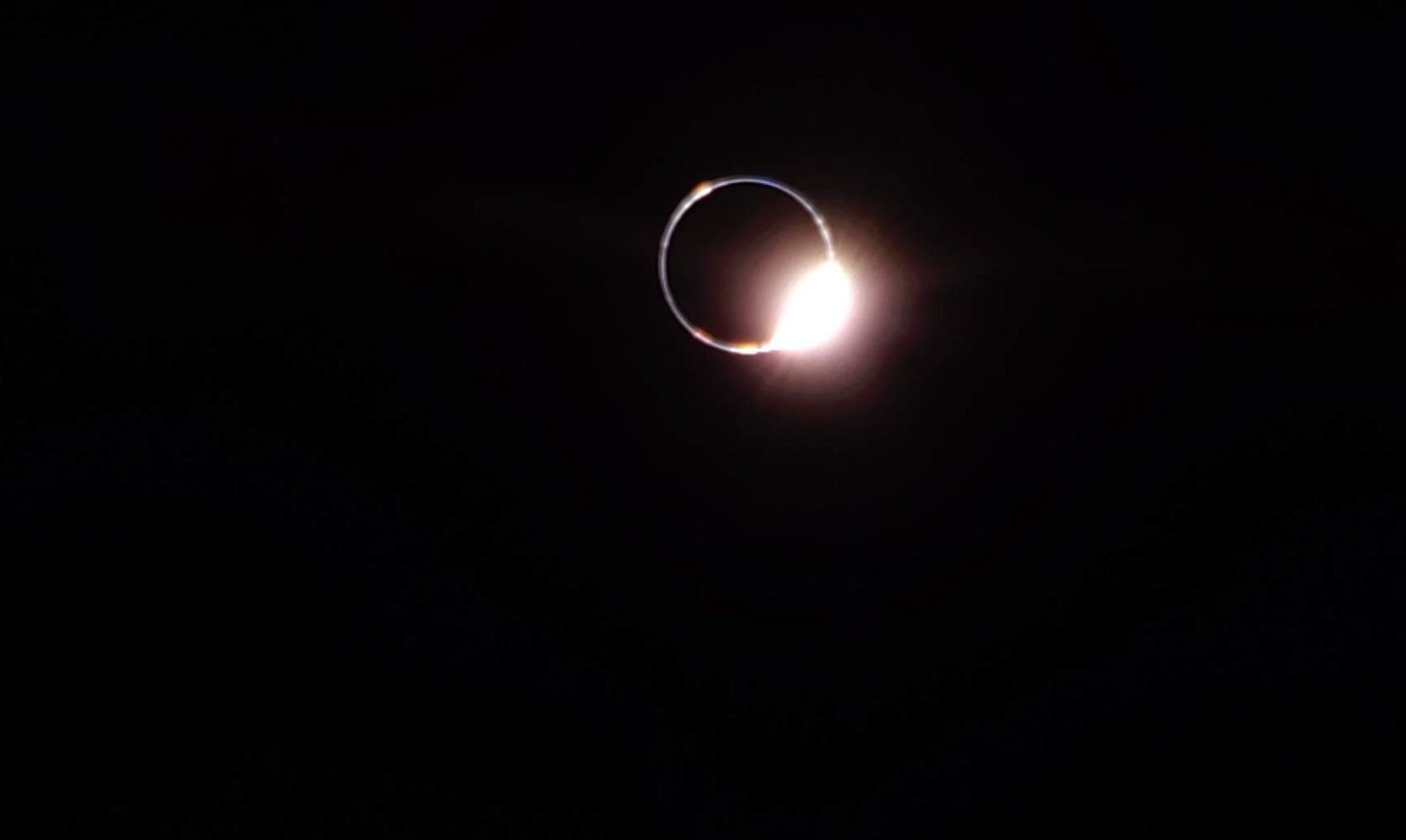
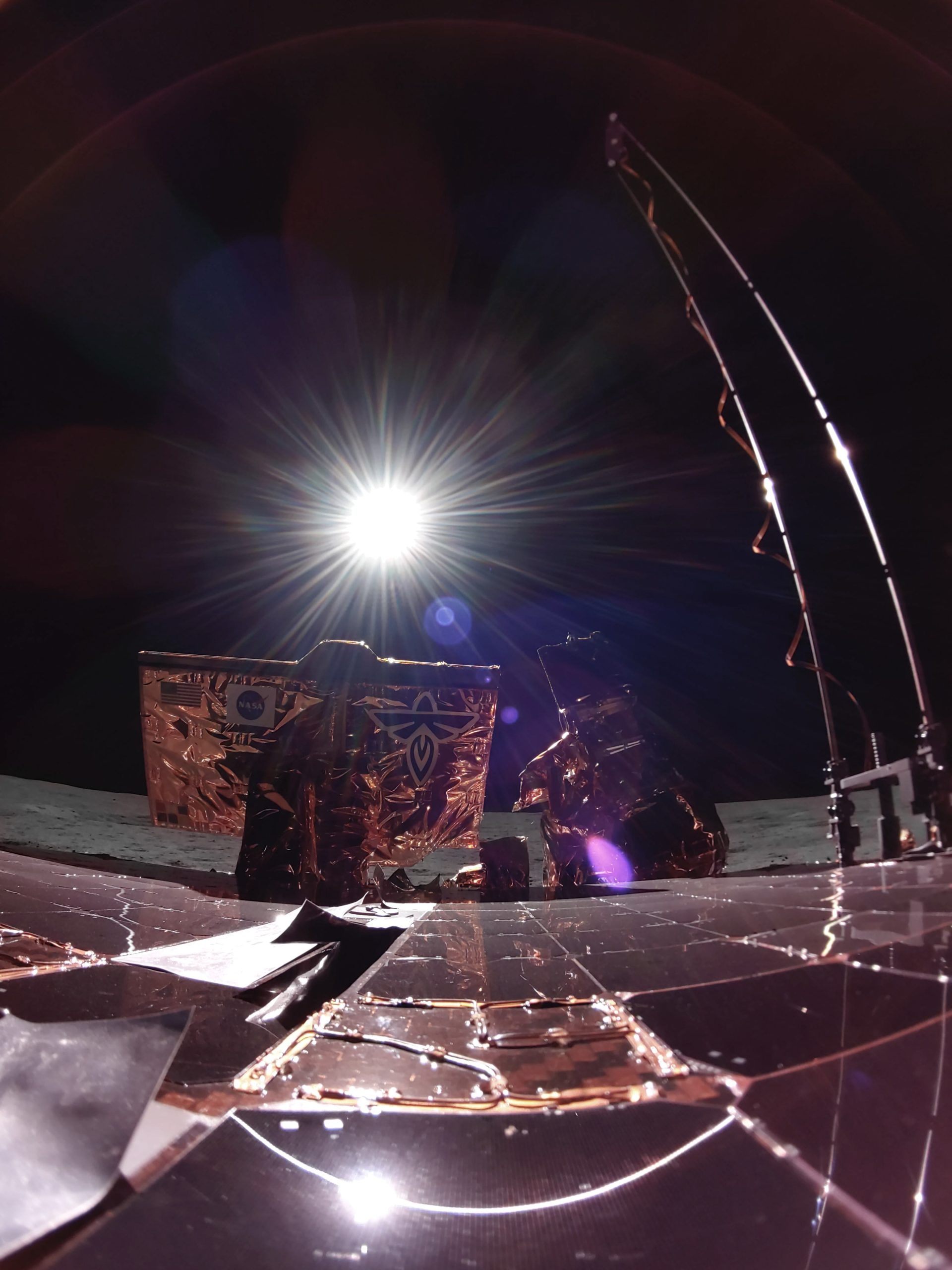
Firefly Aerospace has released images of the March 14, 2025, eclipse as seen from the Moon. Captured by the Blue Ghost lander, which has already provided stunning lunar photos, these images offer a unique perspective on this fascinating astronomical phenomenon.
A First: Observing an Eclipse from the Moon
On Earth, the March 14, 2025, eclipse was a lunar eclipse, where Earth’s satellite passed into Earth’s shadow, temporarily disappearing from the night sky. However, from the Moon’s surface, the event appeared entirely different—a terrestrial solar eclipse.
From the Moon, Earth appeared as a massive dark disk, completely blocking the Sun. Only a thin ring of light, caused by the scattering of solar rays through Earth’s atmosphere, was visible around our planet. This rare and unique spectacle resembles a solar eclipse seen from Earth, but with Earth itself taking the place of the Moon.
The Blue Ghost lander, which landed on the Moon as part of NASA‘s Commercial Lunar Payload Services (CLPS) program, was in the perfect position to capture this extraordinary event. Using its high-precision instruments, it recorded the terrestrial eclipse with stunning clarity, providing unprecedented images of this rare astronomical phenomenon.
Stunning Images and a Scientific Breakthrough
The images captured by Blue Ghost reveal a darkened Earth surrounded by a glowing red ring, caused by the scattering of sunlight through Earth’s atmosphere. This phenomenon resembles the « Blood Moon » effect seen during a lunar eclipse from Earth, but from a completely different perspective.
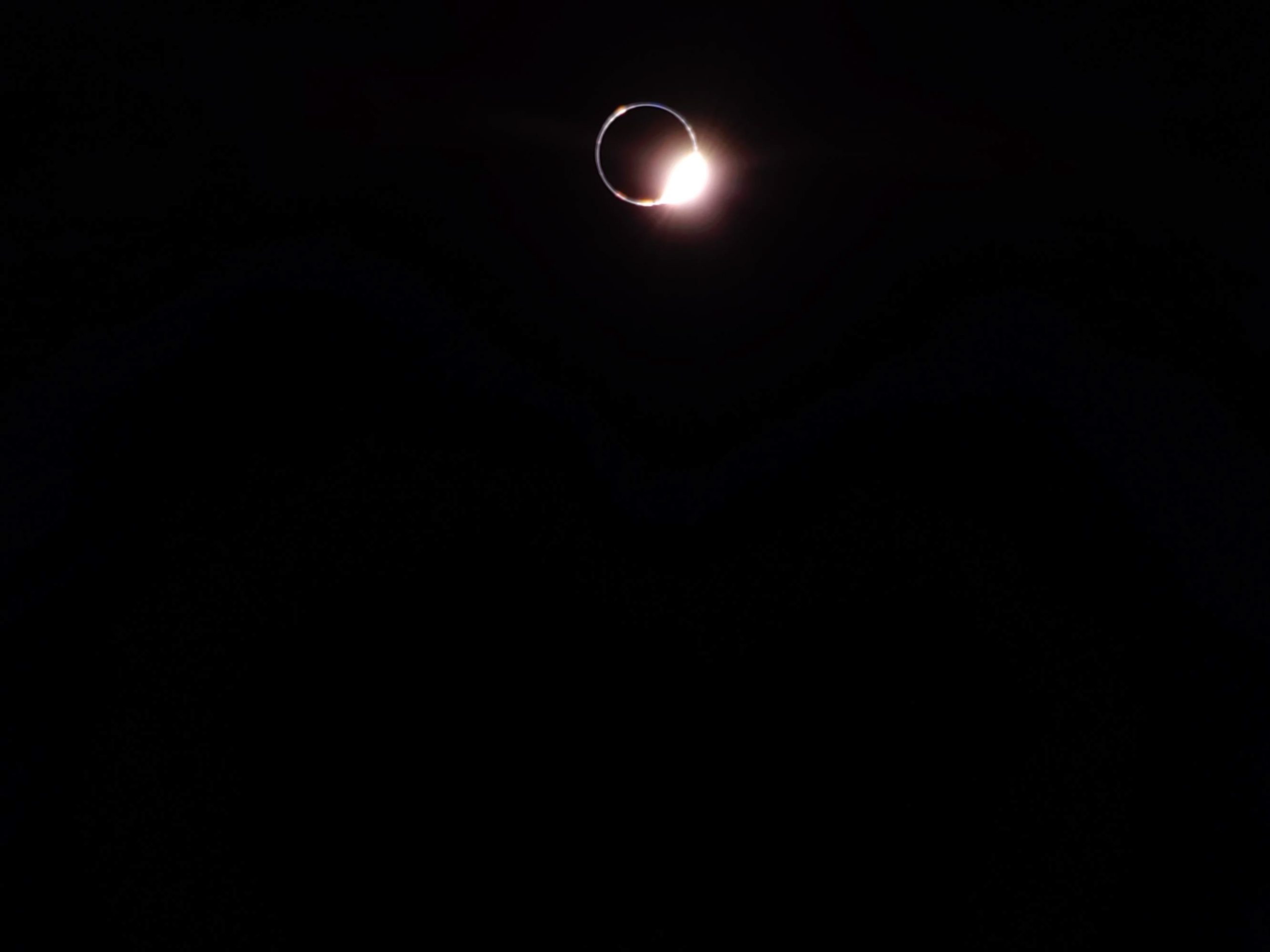
These images are not only breathtaking; they also hold significant scientific value. They provide insights into the interaction between Earth’s atmosphere and sunlight, offering valuable data for astronomy and climate research. By studying how light is filtered through the atmosphere during an eclipse, scientists can refine models related to planetary atmospheres, including those of exoplanets, improving our understanding of distant worlds.
Source
Find the mission website here. The photos and videos are available on Flickr here.