
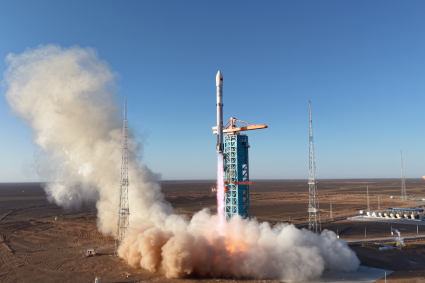





Space: An Extreme Innovation Lab
An Extreme Innovation Lab : Space missions must withstand extreme conditions: temperature fluctuations, zero gravity, limited energy resources, miniaturization… To overcome these challenges, engineers develop novel solutions that, once adapted, find applications in civilian life. Space becomes a powerful accelerator for research and development. Agencies like NASA and ESA also work with private companies, encouraging technology transfer to industries like healthcare, energy, and environmental science.
Space Tech Already in Our Daily Lives
When we think of space, we picture rockets, astronauts, or Mars rovers. Yet the most visible effects of space exploration aren’t always orbiting above our heads. In reality, many objects we use every day stem from innovations developed to tackle space challenges. Sending humans or machines into space requires creating systems that are robust, autonomous, compact, and suited for extreme conditions. These constraints have driven agencies and researchers to invent new technologies, later adapted to Earth. These so-called “space spin-offs” are everywhere—from the kitchen to hospitals, from gyms to cars.
Since the 1970s, agencies like NASA and ESA have tracked and promoted these benefits to highlight the real-world impact of space research on society.
A Few Examples of Space-Derived Technologies
-
Digital imaging: CMOS sensors in smartphones evolved from space camera sensors.
-
GPS: Satellite navigation systems are a direct result of space-based research.
-
Memory foam: Initially designed to cushion astronauts during launch, now used in mattresses, shoes, and seats.
-
Water filters: Originally created for recycling water in space, now deployed in crisis zones or regions lacking clean water.
Other everyday innovations include:
-
Advanced smoke detectors
-
Infrared ear thermometers
-
Flame-resistant fabrics for protective clothing
-
Scratch-resistant eyeglasses
-
Orthopedic insoles
-
Digital hearing aids
-
High-precision quartz watches
-
Non-stick frying pans (coatings developed for satellites)
-
Thermal bags and survival blankets
-
Ultra-sensitive electronic scales
-
Contactless payment (RFID)
-
Lighter and stronger sports equipment
-
Automotive driver assistance systems
-
Environmental monitoring drones
Health, Transport, Energy: Space at the Core of Innovation
The impact of space exploration extends far beyond high-tech gadgets. Advances from space programs now benefit crucial sectors such as healthcare, transportation, and energy—areas where reliability, precision, and durability are essential. These are the same demands space research has had to master.
-
Medicine: Robotic systems used on the ISS inspired medical robotic arms. Some medical imaging techniques also stem from signal analysis tools used in space.
-
Solar energy: Photovoltaic panels developed for spacecraft have led to more efficient solar modules used on Earth.
-
Aerospace and automotive: Heat-resistant and aerodynamic materials used in shuttles have inspired innovations in car and aircraft design.
Space exploration doesn’t just take us farther—it brings progress home.
Inventions and Technological Applications in These Fields:
-
Robot-assisted surgery
-
Articulated arms for people with disabilities
-
Teleconsultation and remote diagnostics (originally developed for astronauts)
-
Miniaturized emergency ventilators
-
Thermo-sensitive wound dressings
-
High-performance solar batteries
-
Heated clothing for sports or polar environments
-
Insulating paints derived from rocket coatings
-
More durable tires (materials tested for lunar rovers)
-
Car shells with improved shock absorption
-
Fatigue detection sensors in aircraft
-
Air purification systems for hospital environments
-
Remote vital signs monitoring