

NASA Sends Artemis II Mega-Rocket Back to the Hangar: Why the SLS Returned to the VAB
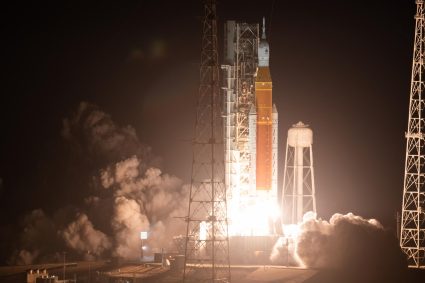
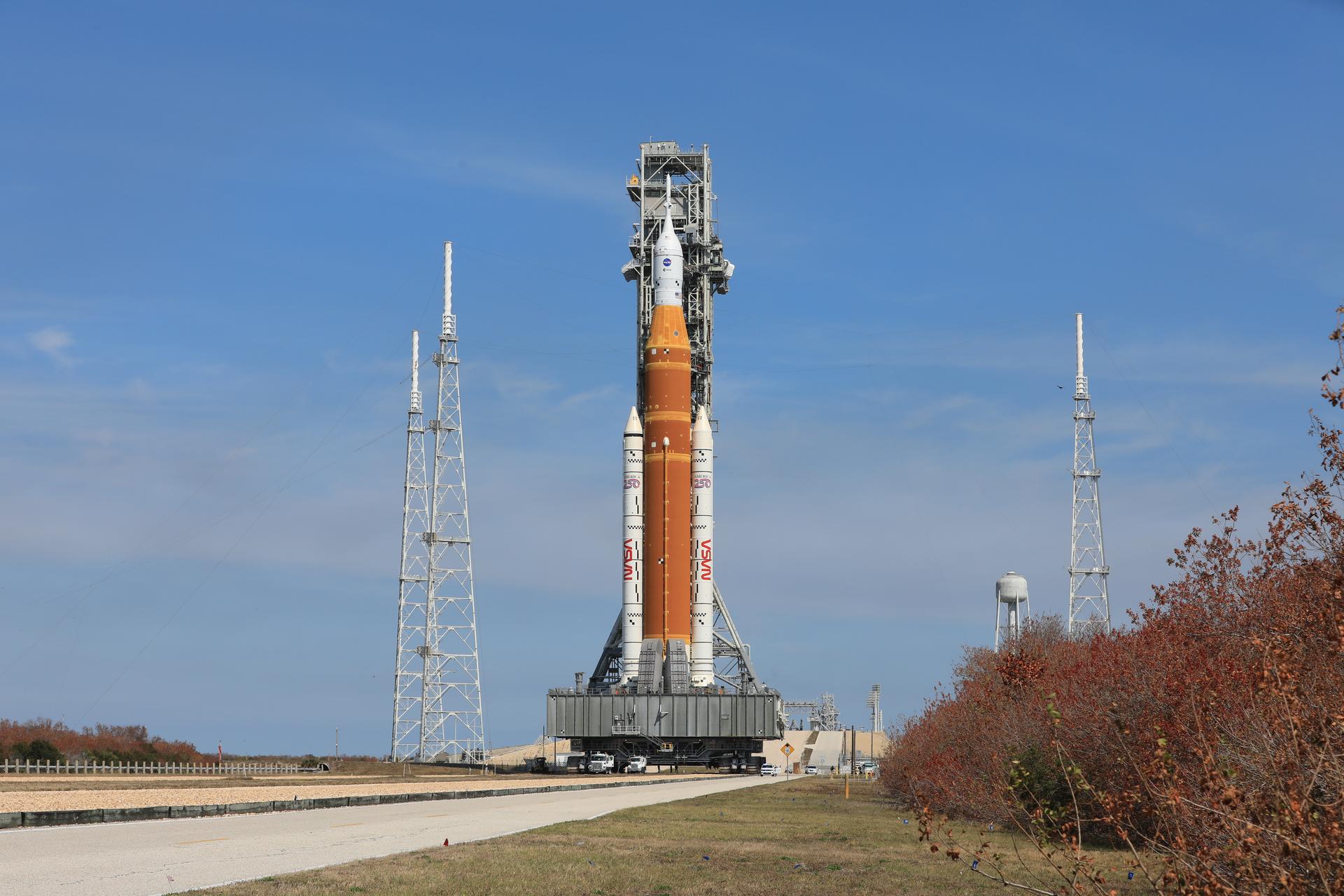
Everything appeared ready for the next major step in NASA’s return to the Moon. The Space Launch System (SLS) rocket and the Orion spacecraft, assigned to the Artemis II crewed mission, were standing on Launch Complex 39B at NASA’s Kennedy Space Center in Florida. Then, everything paused.
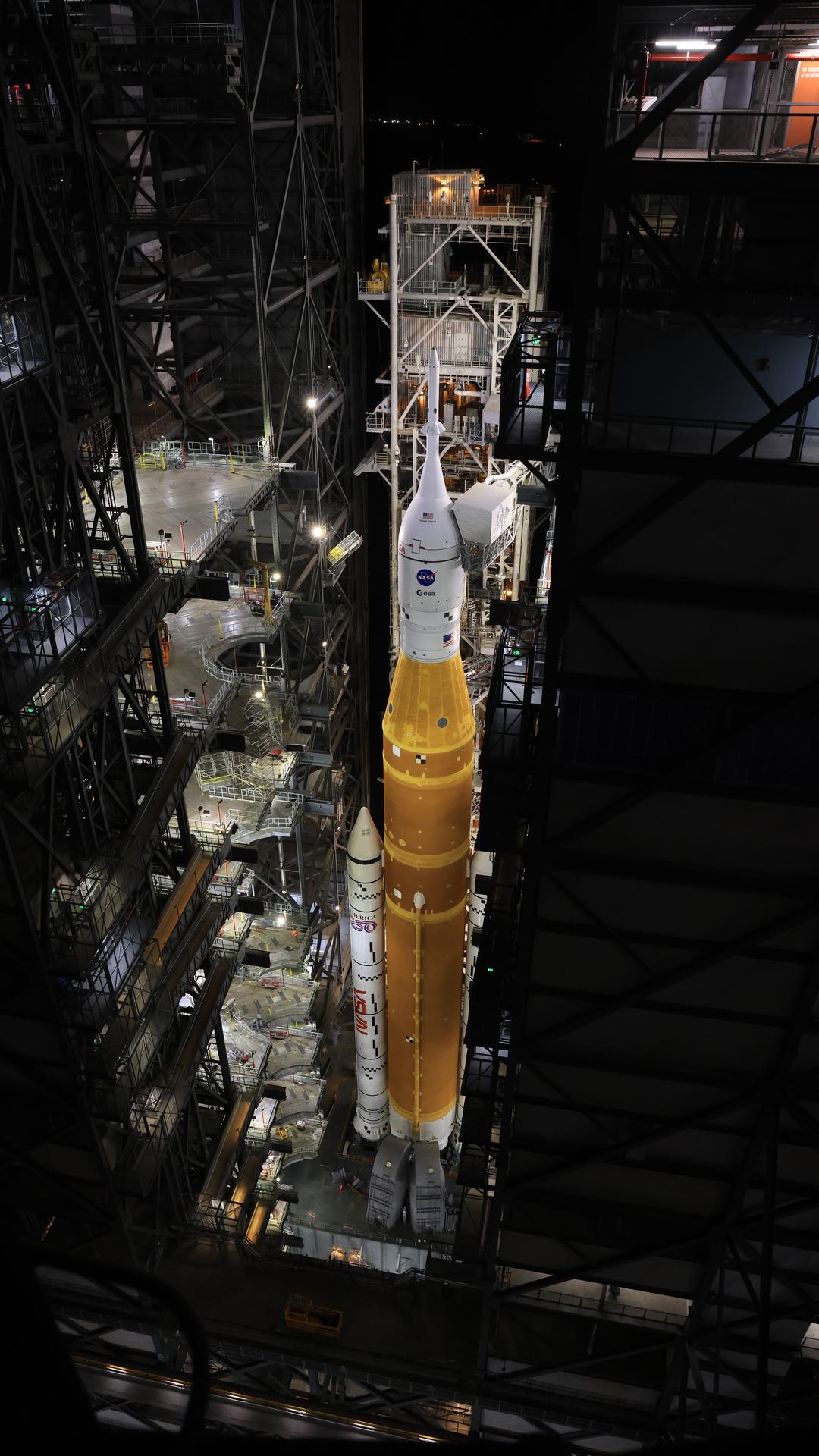
On February 25, 2026, NASA began a major rollback operation, moving the rocket back to the Vehicle Assembly Building (VAB) — the massive facility used to assemble, inspect, and maintain launch vehicles — to perform troubleshooting and maintenance operations.
The technical issue behind the rollback
Engineers identified an issue involving the flow of helium to the rocket’s upper stage, known as the Interim Cryogenic Propulsion Stage (ICPS).
Helium plays a critical role in launch systems:
-
pressurizing cryogenic tanks
-
purging engines before launch
-
maintaining safe operating conditions
Without a fully reliable system, a crewed launch cannot proceed.
As a result, NASA decided to return the vehicle to the VAB, where technicians can safely access internal components and perform deeper inspections.
Why move the rocket back to the VAB?
A rollback is a major operation. The journey from the launch pad to the VAB covers about four miles (6.5 km) and can take up to 12 hours aboard the crawler-transporter. However, some repairs simply cannot be completed on the launch pad.
Inside the VAB, teams will:
-
install access platforms to inspect the helium system
-
perform troubleshooting and repairs
-
replace several batteries across the rocket and boosters
-
conduct maintenance on the Flight Termination System
NASA is effectively taking advantage of the rollback to carry out additional maintenance activities before the next rollout.
Impact on the launch schedule
Before the issue was detected, Artemis II was targeting a spring 2026 launch window. NASA has stated that the rollback was intended to preserve the possibility of launching as soon as possible once repairs are completed. However, the final schedule will depend on the results of inspections and maintenance work.
A delay is therefore likely, although no new launch date has yet been officially announced.
A historic mission still ahead
Despite the setback, Artemis II remains one of NASA’s most important upcoming missions.
Mission goals include:
-
sending four astronauts around the Moon
-
testing the Orion spacecraft in deep space with crew onboard
-
preparing for future lunar landing missions under Artemis III
It will mark the first crewed mission beyond low Earth orbit since the Apollo era.
A rollback is not unusual in spaceflight
While the sight of a mega-rocket returning to a hangar may appear dramatic, it is not unprecedented. Cryogenic systems using hydrogen and helium are highly sensitive, and major launch vehicles often require additional inspections during early flight campaigns — especially before a crewed mission.
NASA’s approach prioritizes safety and thorough validation over schedule pressure.
Analysis: Safety first on the road back to the Moon
This latest Artemis II rollback highlights NASA’s current philosophy:
✔️ extensive testing
✔️ preventive maintenance
✔️ zero risk tolerance for crewed flights
The Artemis program is moving forward — but carefully and deliberately.
The return of the SLS rocket to the Vehicle Assembly Building is not a failure, but another step in preparing one of the most complex space missions of the decade. NASA would rather take extra time on the ground than face uncertainty in space. The journey back to the Moon continues — even if it sometimes requires a stop in the garage.
Source
Find two NASA articles published on 25/02/2026 here and here.
Une réflexion sur “ NASA Sends Artemis II Mega-Rocket Back to the Hangar: Why the SLS Returned to the VAB ”
Les commentaires sont fermés.