

NASA Reshapes Artemis Program: Lunar Landing Delayed as Mission Architecture Evolves
NASA has announced a major restructuring of its Artemis lunar exploration program, introducing significant changes to upcoming missions and redefining the path back to the Moon. In the updated plan, Artemis III will no longer attempt a lunar landing, becoming instead a crewed Earth-orbit test mission. The first human landing of the new Artemis era is now expected with Artemis IV in 2028, as NASA shifts toward a more gradual and sustainable exploration strategy.
The changes reflect a broader effort to increase mission cadence, reduce technical risk, and create a long-term operational model for lunar exploration.
🌕 Artemis III Becomes a Crewed Test Flight
Originally designed to return astronauts to the lunar surface, Artemis III has been redefined as a critical systems validation mission in low Earth orbit (LEO).
Planned for 2027, the mission will focus on:
-
crewed orbital operations,
-
docking demonstrations,
-
testing life-support systems,
-
evaluating new exploration spacesuits.
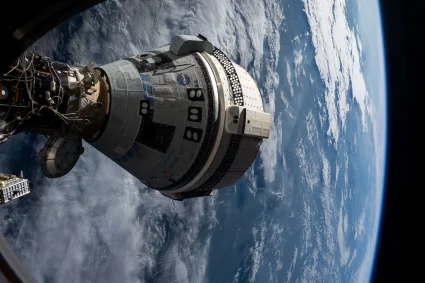
NASA expects Orion to rendezvous and potentially dock with commercial lunar landers, including SpaceX’s Starship Human Landing System and possibly Blue Origin’s Blue Moon lander.
Rather than skipping steps, NASA is choosing to validate key technologies before committing astronauts to a landing scenario.
🌍 The First Artemis Lunar Landing Moves to 2028
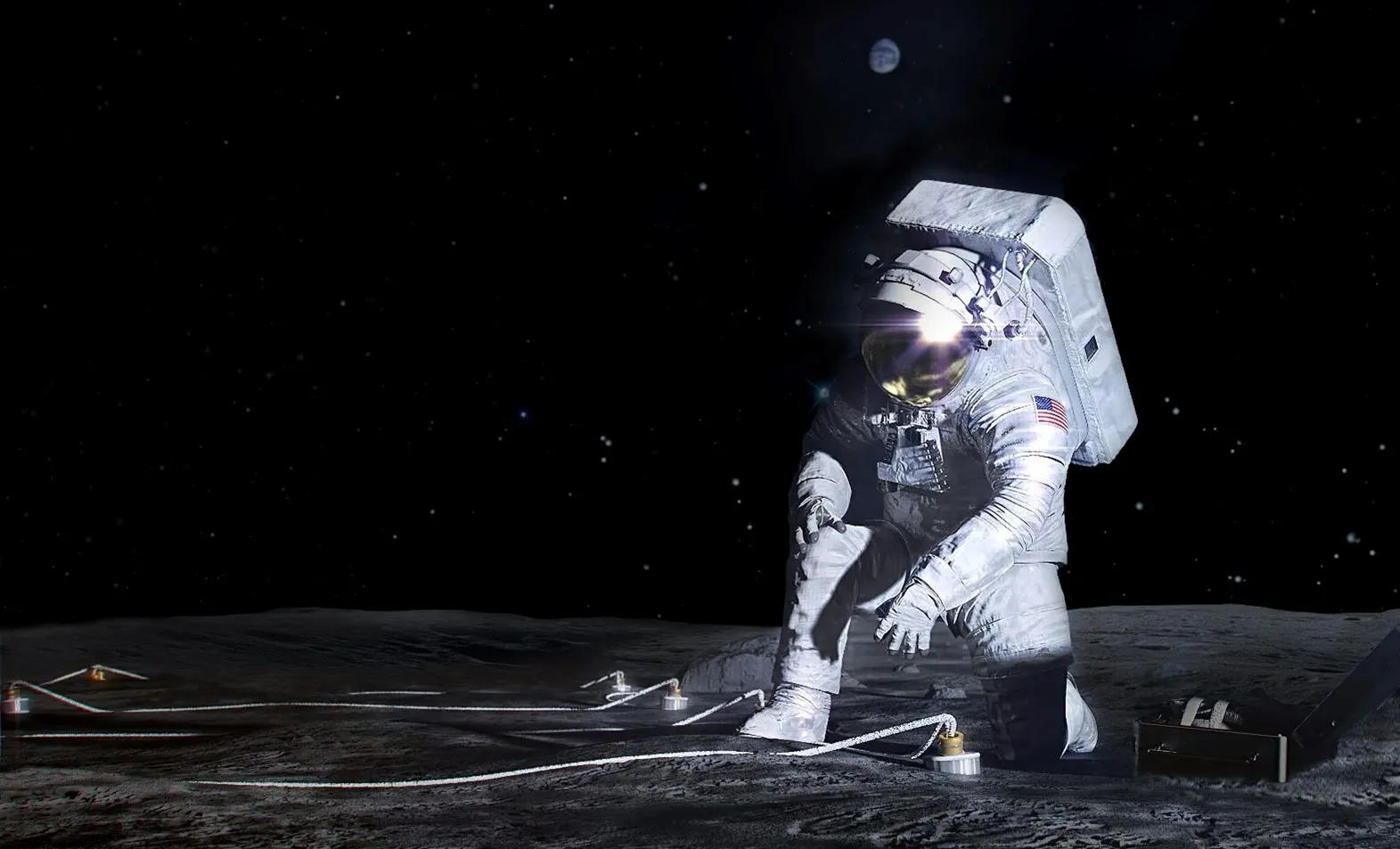
With Artemis III redesigned as an orbital mission, the first crewed lunar touchdown is now assigned to Artemis IV, targeted for early 2028.
NASA also outlined a longer-term ambition:
-
Artemis IV → crewed lunar landing
-
Artemis V → potential second landing later in 2028
If this timeline holds, NASA could transition to an ambitious rhythm of roughly one lunar landing per year, marking a major shift compared to previous plans.
🔧 Standardizing the SLS Rocket
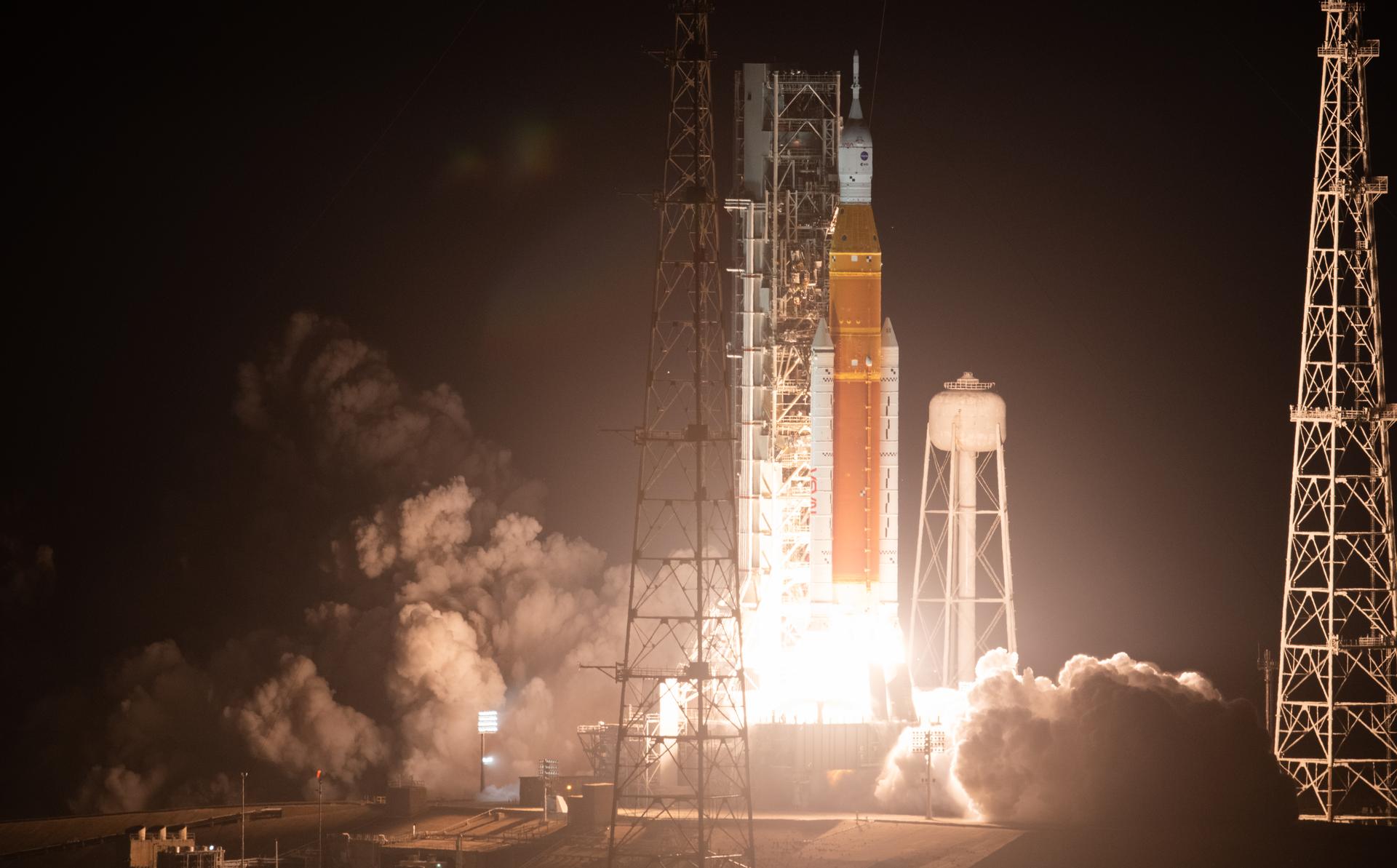
One of the most important elements behind this restructuring is the decision to simplify the Space Launch System (SLS).
NASA intends to:
-
maintain a stable SLS configuration,
-
reduce costly modifications between flights,
-
shorten launch intervals,
-
improve operational efficiency.
The agency acknowledged that launching only every few years made it difficult to develop operational experience and maintain momentum. The new goal is to move toward launches roughly every 10–12 months — a cadence more consistent with historical human spaceflight programs.
🧭 A Return to the Apollo Mindset
NASA officials have described the new strategy as a return to the operational philosophy used during the Apollo era.
Instead of pushing for rapid technological leaps between each mission, the new Artemis architecture emphasizes:
-
incremental development,
-
repeated testing,
-
standardized hardware,
-
crew safety over schedule pressure.
The idea is straightforward: build confidence step by step rather than compressing too many risks into a single mission.
🚀 Artemis II and the SLS Rollback
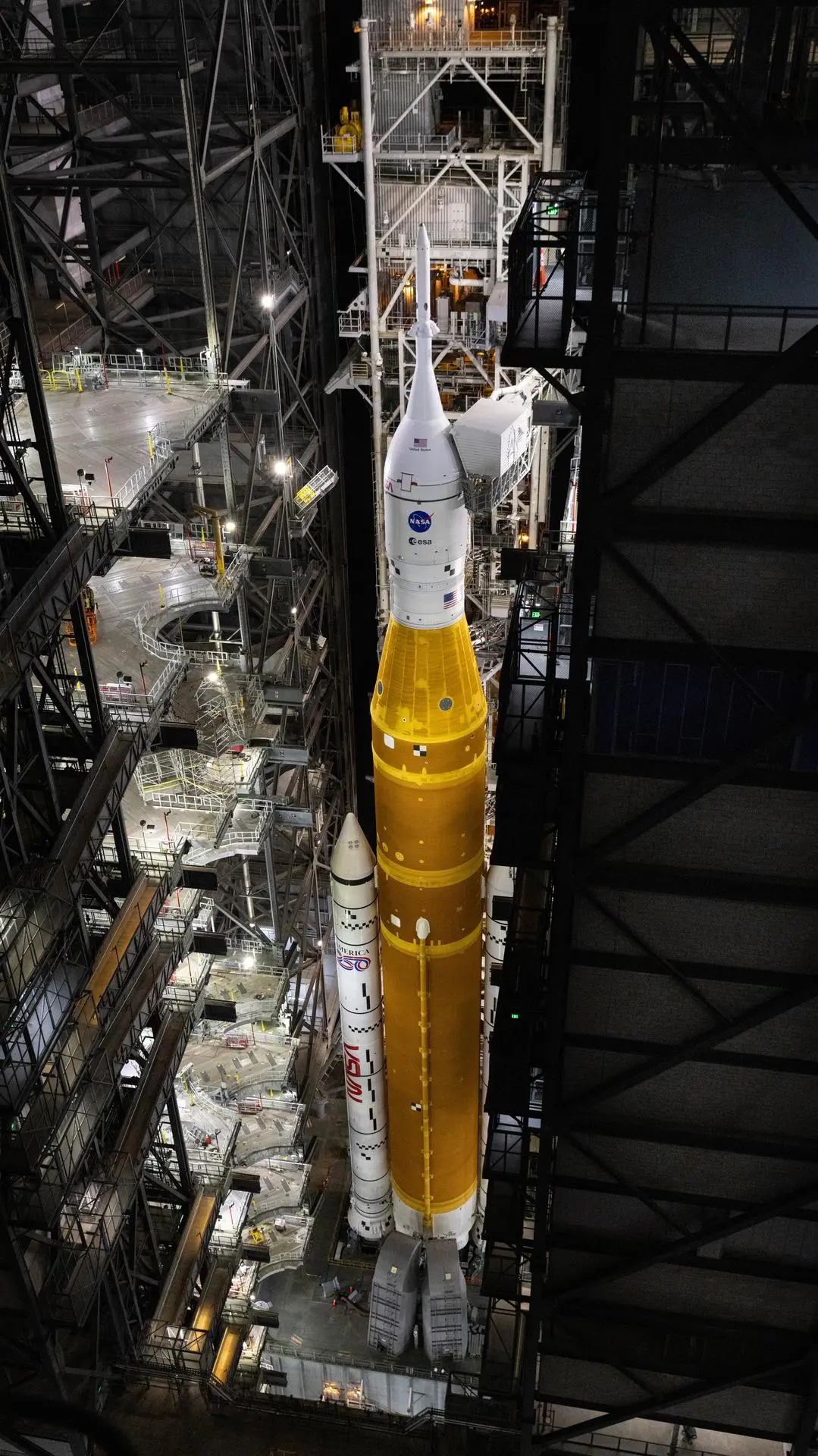
NASA Sends Artemis II Mega-Rocket Back to the Hangar: Why the SLS Returned to the VAB
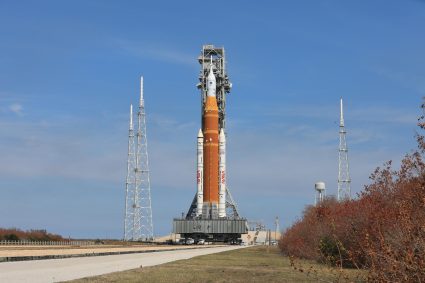
As part of this broader update, NASA also confirmed that the Artemis II SLS rocket was recently moved back inside the Vehicle Assembly Building at NASA’s Kennedy Space Center.
The rollback allows engineers to troubleshoot helium flow issues affecting the upper stage and perform additional system checks before the rocket returns to Launch Complex 39B.
Artemis II will remain a critical milestone — the first crewed mission around the Moon since Apollo 17.
🌖 Why NASA Is Changing Course
Several factors influenced this redesign:
-
technical complexity of integrating new landing systems,
-
maturity concerns surrounding commercial lunar landers,
-
rising cost pressures,
-
and growing international competition in lunar exploration.
Rather than risk a high-stakes landing attempt too early, NASA is choosing to validate systems through a staged approach.
🔭 What the New Artemis Timeline Looks Like
If NASA’s revised roadmap holds:
-
2026 → Artemis II (crewed lunar flyby)
-
2027 → Artemis III (Earth-orbit validation mission)
-
2028 → Artemis IV (first crewed landing)
-
Late 2028 → Artemis V (possible second landing)
The long-term objective is clear: transform Artemis into a continuous lunar program instead of isolated flagship missions.
✨ A More Realistic Path Back to the Moon
While some observers may view the delay as a setback, the new architecture suggests a more pragmatic direction.
By reducing risk, standardizing hardware, and increasing launch cadence, NASA is positioning Artemis as the foundation for sustained human exploration — not just a symbolic return.
More than fifty years after Apollo, the journey back to the Moon is becoming less about a single historic moment and more about building a permanent presence.
Source
Find the article published by NASA on February 27, 2026 here.