



Resilience Lunar Lander Fails: Another Setback for ispace
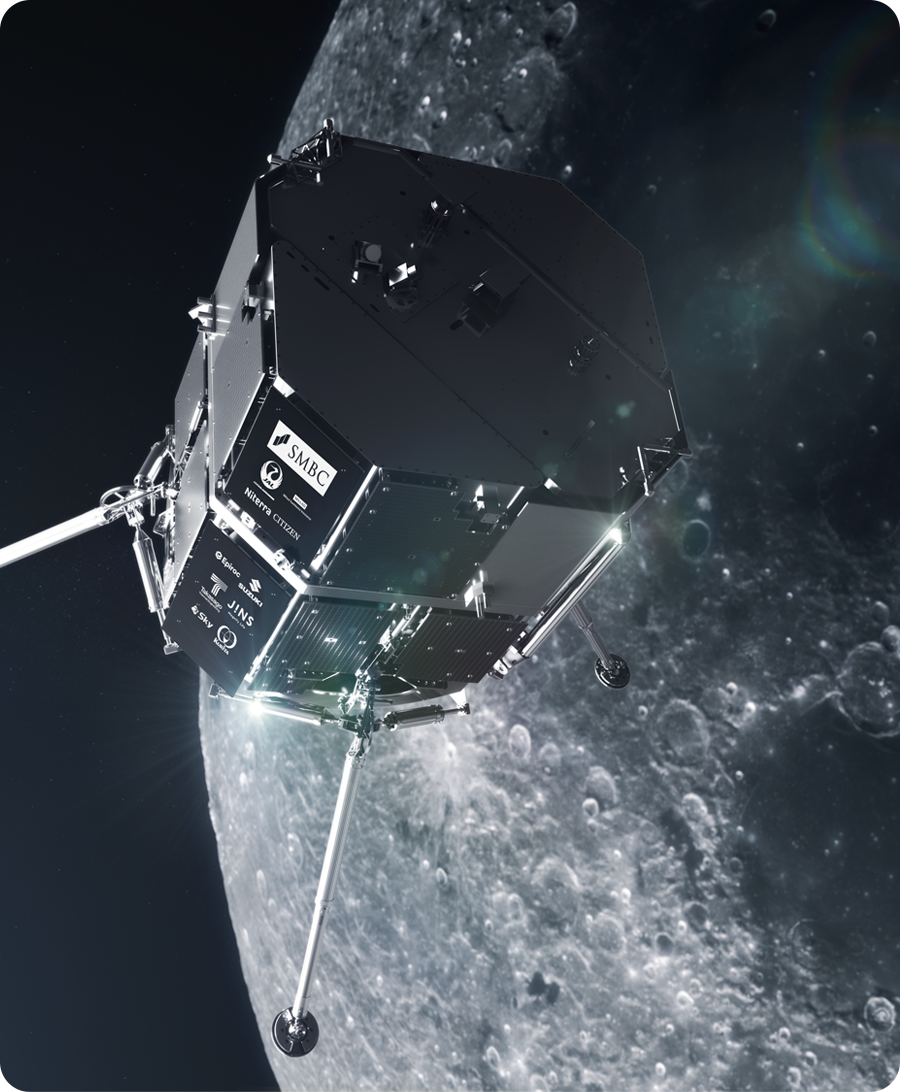
On June 5, 2025, Japanese space company ispace announced the failure of its second lunar landing attempt with the Resilience Lunar lander, part of its Hakuto-R Mission 2. The spacecraft, which aimed to achieve a soft landing on the Moon’s surface and deploy a small European rover, apparently crashed just a few hundred meters above the lunar ground.
An Ambitious Mission
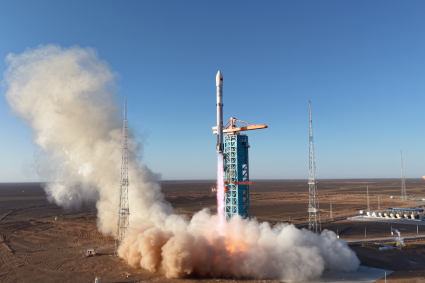
Launched on January 15, 2025, aboard a SpaceX Falcon 9 rocket, the mission aimed to demonstrate the reliability of ispace’s commercial lunar landing capabilities. The Resilience lander carried several scientific and symbolic payloads:
-
Scientific instruments
-
A water electrolyzer
-
An algae cultivation module
-
A symbolic Gundam plaque
-
A UNESCO memory disk
The European micro-rover Tenacious, weighing 5 kg, was designed to collect regolith samples.
After a prolonged transfer trajectory to the Moon, the spacecraft successfully reached a 100 km circular lunar orbit in early May. On June 5, Resilience initiated its final descent toward the surface.
Crash During Final Approach
The landing sequence began nominally:
-
Main engine ignition
-
Deceleration starting at 20 km altitude
-
Transition to vertical descent
However, at an altitude of approximately 192 meters, telemetry data was lost. Ground teams subsequently lo
Another Setback for ispace
This failure follows a previous crash that occurred in April 2023 during Hakuto-R Mission 1. At the time, a malfunction in the altitude estimation system had caused a similar crash. Despite improvements integrated into Resilience, critical shortcomings in the processing of altimetric data persisted.
The loss of Resilience also means the destruction of the Tenacious rover and the onboard experiments. ispace officially concluded the mission the day after the failure, while stating that the data gathered during the flight would help improve future attempts.
A Competitive Landscape
While ispace faces a second consecutive failure, several private players — notably American companies — have recently succeeded in landing on the Moon. Intuitive Machines and Firefly Aerospace (with Blue Ghost) have demonstrated operational landing capability within the framework of NASA’s CLPS program.
Nevertheless, ispace remains one of the few non-American companies conducting such missions, reinforcing the strategic importance of its future successes.
Towards Operational Resilience?
ispace is already preparing for Mission 3 as part of its Hakuto-R program. The Japanese company maintains its ambition to build a regular lunar transport service for agencies and private clients, despite recent technical setbacks. The key question now is whether ispace will be able to turn its mistakes into concrete learnings and establish itself in the emerging lunar economy.
Source
Official press release published by ispace on June 6, 2025 [available here].