




SpaceX Reports Strong Results as Starlink Soars and Starship Weighs on Costs
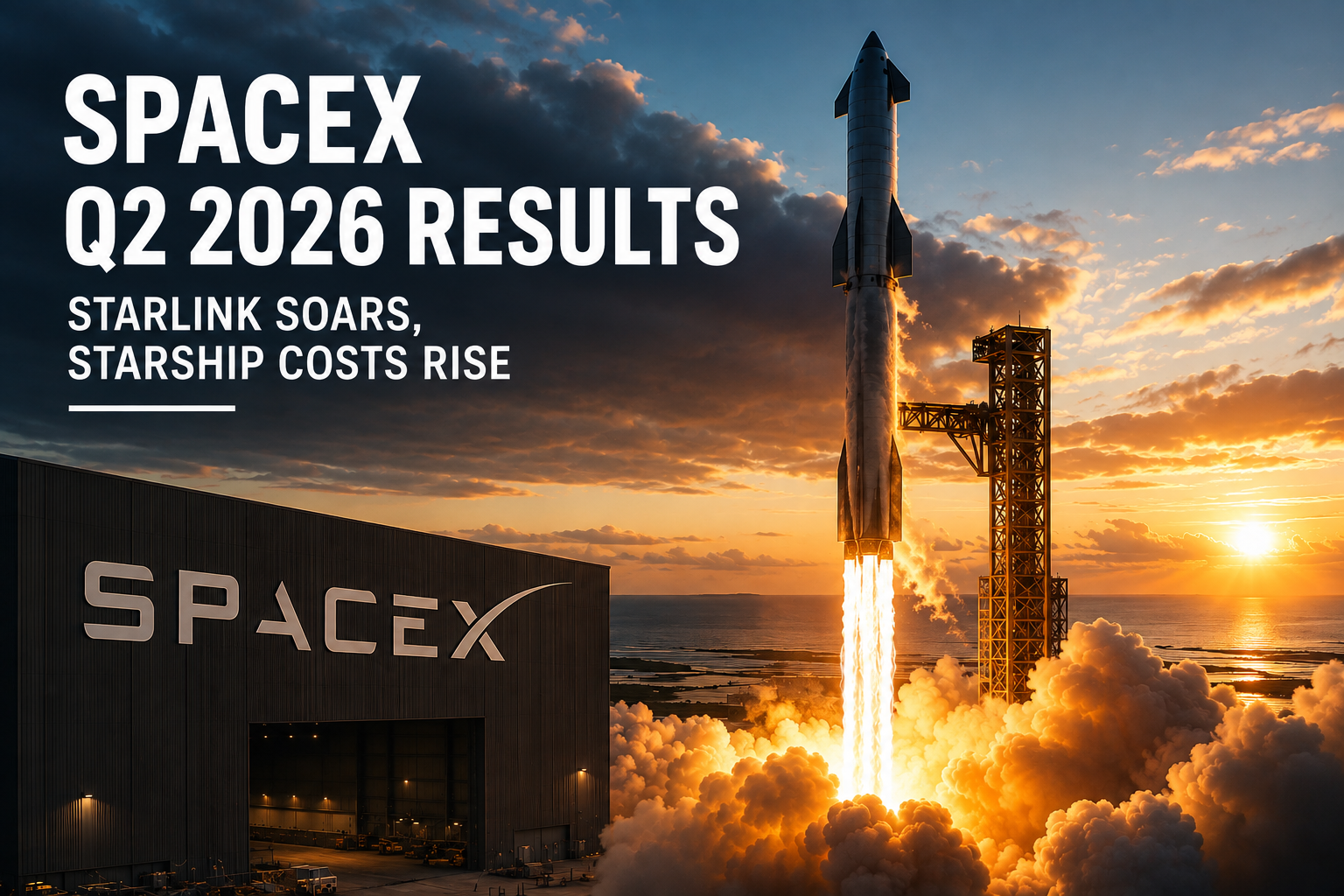
SpaceX has released its financial results for the second quarter of 2026, offering a detailed look at the rapidly changing scale of Elon Musk’s company following its public listing.
The company reported $7.8 billion in revenue for the second quarter, up 92% year over year from $4.1 billion in Q2 2025. At the same time, SpaceX reduced its net loss to $541 million, compared with just over $1 billion a year earlier.
Behind these headline figures, however, the different parts of SpaceX tell very different stories. Starlink has become a powerful revenue and profit engine, while the development of Starship continues to require massive investment.
Starlink Reaches 12 Million Subscribers
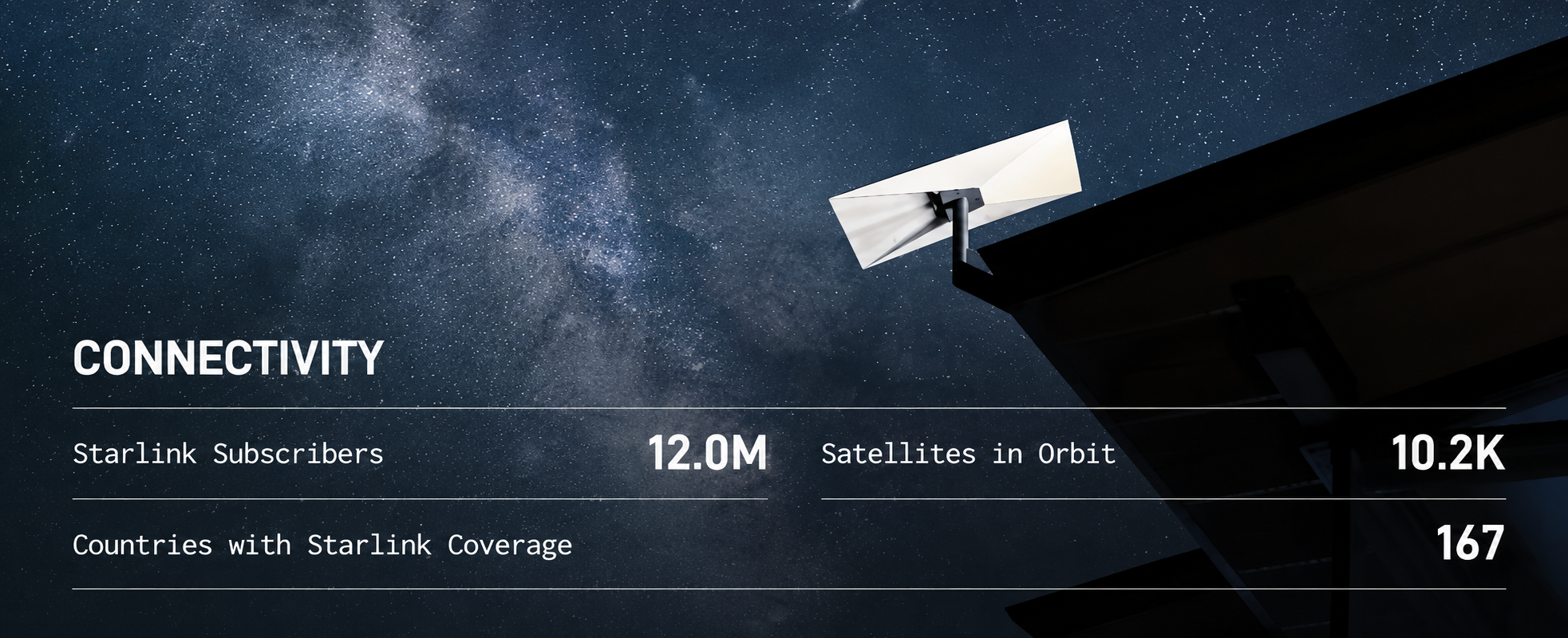
One of the most striking figures in SpaceX’s results is the continued expansion of Starlink.
The satellite internet service reached 12 million subscribers as of June 30, 2026, exactly twice as many as a year earlier.
Average revenue per user (ARPU) stood at $66 per month. SpaceX’s Connectivity segment, which includes Starlink, generated $4.29 billion in revenue during the second quarter, an increase of 66% year over year.
More importantly, the business is highly profitable. Connectivity generated $1.66 billion in operating income, compared with $923 million a year earlier, while adjusted EBITDA reached nearly $2.6 billion.
Growth is no longer coming from consumers alone. Enterprise and government activities generated $1.8 billion in quarterly revenue, more than double the level recorded a year earlier.
Starship Continues to Cost SpaceX Billions
The picture is very different for SpaceX’s core space activities.
The Space segment generated $962 million in revenue during the second quarter, up 29% year over year. However, it still recorded an operating loss of $542 million.
SpaceX attributes part of these costs to accelerating research and development spending on the Starship program.
R&D expenses for the Space segment reached $1.076 billion in the second quarter alone, compared with $693 million a year earlier. Capital expenditure for the segment reached another $1.174 billion during the quarter.
SpaceX is therefore continuing to absorb substantial losses in its space business while funding the development of its giant reusable launch system.
The company believes Starship could eventually reduce the cost of reaching orbit by 99% or more compared with the historical average, helping explain the scale of its current investment.
78 Launches and More Than 1,000 Tonnes Delivered to Orbit
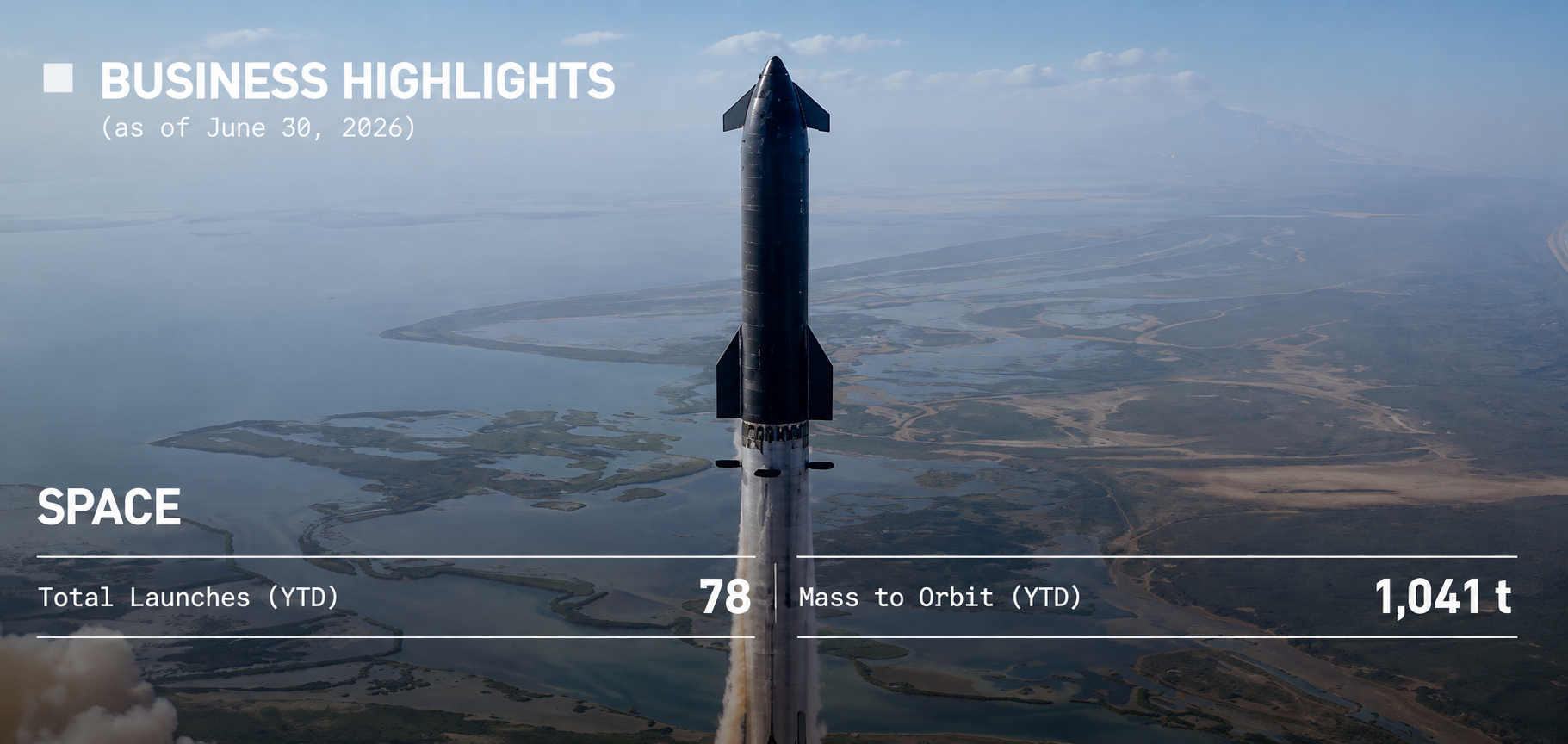
SpaceX’s results also highlight the extraordinary operational cadence the company has achieved.
During the first six months of 2026, SpaceX conducted 78 launches, including 17 customer missions and 61 internal launches.
Altogether, the company delivered 1,041 metric tonnes of payload to orbit, including 908 tonnes for its own activities, primarily for the continued deployment of the Starlink constellation.
These figures demonstrate how SpaceX increasingly uses its dominance in launch services to support and expand its own infrastructure in orbit.
Starshield Is Becoming a Multi-Billion-Dollar Business
Less visible than Starlink, Starshield, SpaceX’s secure satellite network designed for government and national security customers, is also becoming increasingly important.
SpaceX says it has been awarded more than $6 billion in multi-year U.S. government contracts, primarily through two major U.S. Space Force contracts involving communications and sensing constellations in low Earth orbit.
Starlink, Starshield and commercial launch services therefore provide SpaceX with several major sources of revenue capable of supporting its increasingly ambitious projects.
SpaceX Has Enormous Financial Firepower
Developing Starship requires billions of dollars, but SpaceX now has financial resources on an entirely different scale from those available to the company only a few years ago.
At the end of the second quarter, SpaceX reported approximately $100 billion in cash, cash equivalents and marketable securities, alongside a $47.5 billion backlog.
Much of this cash position followed SpaceX’s June initial public offering. The IPO generated approximately $85.7 billion in net proceeds.
The company subsequently completed a $25 billion investment-grade bond issuance, providing additional funding for its long-term growth initiatives.
Tune into SpaceX’s first earnings audio-only webcast since going publichttps://t.co/0PSOpIvMkM
— SpaceX (@SpaceX) August 4, 2026
Starlink Fuels Growth While Starship Builds the Future
SpaceX’s latest results provide a revealing snapshot of how the company has evolved.
Starlink has become SpaceX’s main economic engine, reaching 12 million subscribers and generating substantial operating profits. At the same time, SpaceX continues to invest heavily in Starship despite the losses still generated by its Space segment.
The strategy is increasingly clear: use the revenues generated by Starlink and the company’s other businesses to help finance a much more ambitious space infrastructure.
If SpaceX succeeds in achieving the full and rapid reusability envisioned for Starship, the economics of access to space could once again be profoundly transformed.
And with more than 1,000 tonnes already delivered to orbit during the first half of 2026, SpaceX has established an extraordinary operational lead.
Source
The results published by SpaceX are available here.